How to Choose the Best Nonprofit Storytelling Platform: 7 Features That Matter
When nonprofits think about storytelling, they often focus on crafting the perfect appeal, annual report, or campaign. But the biggest challenge usually comes much earlier: having enough authentic stories to tell. That’s why more organizations are investing in nonprofit storytelling platforms—software designed to help collect, organize, and share stories, photos, videos, and testimonials from the people closest to their mission.
If you’re comparing storytelling software, here are seven features that matter most.
1. Make it easy for people to contribute
The best stories come directly from your community, but they won’t arrive if the process is complicated. Look for a platform that lets people contribute through a simple link or QR code, works on any phone, and doesn’t require downloading an app or creating an account.
The easier it is to participate, the more authentic content you’ll collect over time.
Learn more about why continuous story collection matters: https://www.memoryfox.io/why-storytelling/
2. Collect stories for specific initiatives
Not every story request should go to everyone. Whether you’re preparing for Giving Tuesday, an annual report, a fundraising event, or a volunteer campaign, you should be able to create targeted requests with customized questions and branding.
This helps you collect more relevant stories while giving contributors clear direction.
3. Build a searchable content library
Collecting stories is only valuable if you can actually find them later.
A good storytelling platform should let your team quickly search by:
- Program
- Contributor
- Campaign
- Keywords
- Tags
- Date
Instead of searching through folders or email attachments, you should be able to locate the right story in seconds.
4. Support ethical storytelling
Every story represents a real person who has trusted your organization with their experience. Your storytelling platform should make it easy to practice ethical storytelling by collecting consent, tracking permissions, and respecting contributor preferences. Ethical storytelling isn’t just about compliance—it’s about building trust with your community.
Read more about ethical storytelling: https://www.memoryfox.io/ethical-storytelling/
5. Help your team create fundraising assets faster
Stories don’t create impact sitting in a folder.
The right platform should help your team turn authentic moments into:
- Donor stories
- Impact reports
- Event recaps
- Website content
- Newsletters
- Social media content
- Fundraising materials
The less time staff spends searching for content, the more time they can spend communicating impact.
6. Grow with your organization
As your organization grows, so will your content library.
Look for software that can scale with:
- More contributors
- More staff
- More campaigns
- More storage
- More integrations
Changing platforms after several years of collecting stories is difficult, so it’s worth choosing one that can grow alongside your organization.
7. Help you collect stories continuously
Perhaps the biggest difference between an average storytelling platform and a great one is consistency. Organizations that only collect stories before major fundraising campaigns often find themselves scrambling for content. Organizations that collect stories throughout the year always have fresh examples of their impact ready to use.
The goal isn’t just to build a library of stories—it’s to build a habit of collecting them.
Frequently Asked Questions
What is a nonprofit storytelling platform?
A nonprofit storytelling platform helps organizations collect, organize, search, and share stories, photos, videos, and testimonials from their community. Many platforms also include consent management and tools for creating fundraising and marketing assets.
Why is storytelling important for fundraising?
Authentic stories help donors understand the real impact of their gifts. They make fundraising campaigns, grant proposals, annual reports, and donor communications more personal and memorable.
What is ethical storytelling?
Ethical storytelling means respecting the dignity, privacy, and preferences of the people whose stories you share. It includes obtaining informed consent, accurately representing experiences, and allowing contributors to understand how their stories may be used.
What’s the difference between a digital asset manager and a storytelling platform?
A digital asset manager is designed to organize files. A storytelling platform is designed to help organizations continuously collect authentic stories from their community, organize them, and transform them into fundraising and marketing content.
Final Thoughts
The best nonprofit storytelling platforms do more than store photos and videos.
They make it easier to collect authentic stories from your community, organize them into a searchable library, support ethical storytelling practices, and help your team create compelling fundraising and marketing content.
That’s the approach we take at MemoryFox. We built MemoryFox to help mission-driven organizations create a steady stream of authentic stories, photos, videos, and testimonials—so your team always has meaningful content ready for fundraising, marketing, grant reporting, and impact communications.
If you’re exploring ways to strengthen your organization’s storytelling, learn more at https://www.memoryfox.io.
—————————————————————-
About the Author
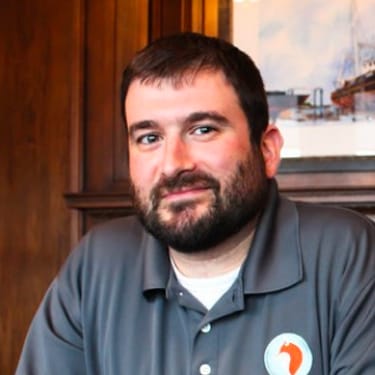
Chris Miano
Founder and CEO, MemoryFox
Chris Miano was born and raised in Buffalo, NY. He spent eight years in the Army, traveling around the world and learning about the power of storytelling as a tool to connect with people across many cultures, generations, and socio-economic backgrounds.
When he returned home from Afghanistan, Chris thought about his grandfather, who was a WW2 veteran, and how cathartic it would have been to have him around to share stories with. This inspired Chris to create MemoryFox. The organization started as a way to capture the life story of his elder family members, and eventually grew to support mission-driven organizations.
Chris has made it his mission to elevate the stories of real human beings. He believes that through storytelling with grassroots community-generated content, the world can become a more inclusive and equitable place for everyone.